
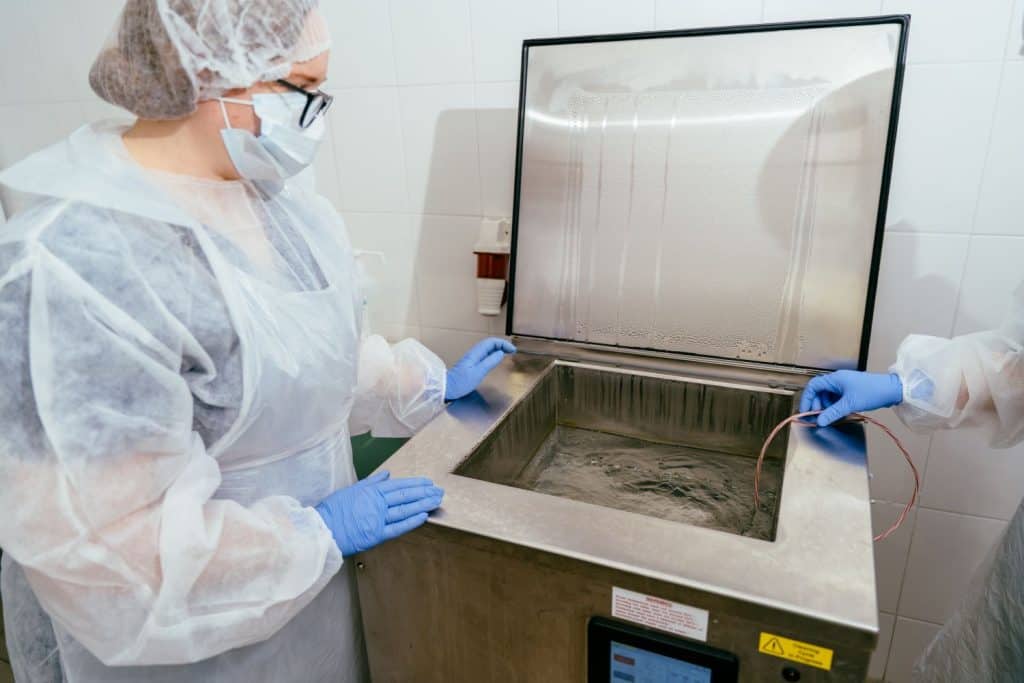
Automotive vehicles are constantly exposed to severe environmental conditions, ranging from heavy rain and coastal humidity to the harsh deicing chemicals used on winter roads. To ensure that metal components do not succumb to rapid oxidation and rust, engineers rely on a highly standardized laboratory procedure known as a salt spray test. This rigorous evaluation method artificially accelerates the corrosion process, allowing manufacturers to predict exactly how well a protective coating, paint, or metal alloy will survive after years of real world environmental abuse. By subjecting materials to an intense, continuous fog of specialized saline solution, quality assurance teams can identify microscopic vulnerabilities in surface treatments long before a vehicle enters mass production.
Critical Applications in Vehicle Manufacturing
Maintaining the structural integrity and visual appeal of an automobile requires comprehensive corrosion testing across multiple engineering disciplines.
- Exterior Body Panels and Paint Systems: The outer shell of a car requires multiple layers of anti corrosion primer and clear coat. Testing ensures that these protective layers maintain their adhesion and prevent the underlying sheet metal from rusting, even if the paint is deeply scratched by flying road debris.
- Chassis and Undercarriage Components: The lower framework of a vehicle faces the most extreme exposure to road water and highly corrosive winter salts. Validating the durability of suspension arms, exhaust pipes, and heavy steel subframes prevents catastrophic structural failures at highway speeds.
- Fasteners and Mechanical Hardware: Hundreds of specialized metal bolts, nuts, and screws hold a modern vehicle together. If these small components corrode, they can snap under pressure or become impossible to remove during routine automotive maintenance. Testing confirms that chemical zinc platings and anti rust dips meet strict operational endurance benchmarks.
Navigating International Corrosion Standards
The global automotive industry heavily relies on internationally recognized testing frameworks, most notably ISO 9227 and ASTM B117. These strict guidelines dictate the exact concentration of the saline solution, the precise temperature of the testing chamber, and the continuous duration of the fog exposure. Following these standardized protocols ensures that component suppliers produce highly consistent, reliable data that major vehicle brands can universally trust when evaluating material safety.
To secure long term production contracts and guarantee absolute structural reliability, tier one suppliers must provide objective analytical proof of their material durability. By partnering with an Alstesting Laboratory Testing service in Malaysia, forward thinking automotive manufacturers obtain the accredited, third party validation required to prove their components can easily withstand the harshest global climates.
Frequently Asked Questions (FAQ)
How does the testing chamber accelerate the rusting process?
The laboratory utilizes a specialized, hermetically sealed cabinet that continuously sprays a heated, highly concentrated sodium chloride solution. This creates a dense, highly corrosive fog that actively attacks the material surface twenty four hours a day. This intense, uninterrupted exposure simulates years of natural environmental wear in just a matter of hundreds of hours.
What is the main difference between the ASTM B117 and ISO 9227 standards?
Both are globally recognized standards for corrosion testing, but they originate from different regulatory bodies and contain incredibly slight variations in chamber preparation and equipment calibration requirements. Generally, ASTM B117 is heavily favored in North American manufacturing sectors, while ISO 9227 is the universally preferred standard for European and Asian automotive brands.
How do laboratory analysts measure the final results of the evaluation?
After the designated exposure time is complete, the components are carefully washed and examined under bright laboratory lighting. Analysts look for visual evidence of red rust on bare metals, white rust on galvanized parts, or aggressive blistering beneath painted surfaces, comparing the severity of the structural damage directly against the specific acceptable limits set by the vehicle manufacturer.